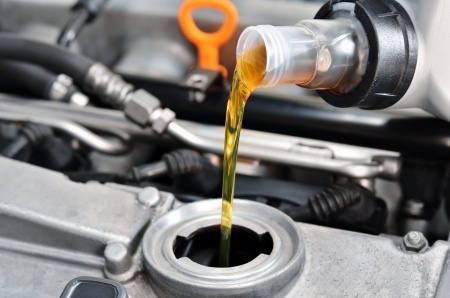
Over the years, debates have raged over which is better, gas or diesel powered engines. However, for hauling or towing heavy loads, gas cannot compete with diesel. Thus, certain industries rely extensively on diesel trucks. And while automakers build diesels for durability, you will need the occasional visit to a mechanic for a diesel truck. When you need diesel repair near me, trust Havoline® Xpress Lube of Kernersville.
An Experienced Diesel Truck Mechanic Is Crucial
To some people, diesel and gas engines may appear very similar. Both are combustion engines using fuel derived from crude oil. However, a diesel engine has some unique parts and maintenance requirements.
First, diesel fuel burns dirtier than gasoline. During production, refineries process and remove more impurities in gasoline than in diesel fuel. Hence, to meet environmental regulations, diesel powered engines have additional components to purify emissions:
- Diesel particulate filter
- DEF (diesel exhaust fluid)
- EGR valve
- Turbocharger
Another difference is the combustion process itself. Instead of spark plugs, diesel engines rely on highly compressed air to ignite the fuel. Furthermore, injectors spray fuel directly into the combustion chamber where it mixes with the air.
When your diesel engine isn’t running properly, one or more parts may be failing. Understanding these key distinctions and how the parts interact is important for a correct diagnosis when experiencing a problem. A misdiagnosis can lead to unnecessary repairs costing you money and time.
Additionally, a diesel truck mechanic needs specialized equipment and tools to test some parts. For example, diesels use highly advanced technology with computerized components to regulate systems.
Common Problems Requiring A Mechanic For A Diesel Truck
In addition to different parts, diesel engines are susceptible to certain problems uncommon in gas vehicles. For example, diesel is hygroscopic while gasoline isn’t. This means diesel fuel attracts and absorbs water. Once water in the fuel exceeds a particular limit, it can begin to corrode metal engine parts. Water can also cause etching, abrasion, and pitting of metal.
To combat this problem, diesel powered engines have a fuel/water separator. Periodically, draining the water helps protect your engine from rust and corrosion.
Moreover, 2 other crucial systems undergo severe stress, requiring a diesel repair near me:
1. Fuel Delivery System
Both gas and diesel engines rely on pumps to move fuel from the holding tank to the engine for combustion. However, the location and purpose of each differ slightly.
In a gas powered vehicle, automakers locate the fuel pump in the tank. Here, it pressurizes and moves gas through the system to the injectors. Comparatively, truck manufacturers locate the lift pump in one of several locations:
- In the fuel tank
- Near the fuel filter housing
- On the engine block
- Above the starter motor
Unlike a gas fuel pump, the lift pump is a low-pressure device.
However, once the fuel reaches the injectors, diesel undergoes extreme pressurization. The injector pump compresses the fuel to 10,000 -30,000 PSI, depending on the engine type. In comparison, gas engines operate with fuel pressurized between 10 and 60 PSI.
2. Transmissions
Typically, drivers choose a diesel truck for its towing and hauling capacity. Only a diesel can deliver the torque necessary to move heavy loads. However, transporting weighty cargo strains the transmission, even in a diesel.
Generally, towing and hauling heat up the transmission fluid, breaking down its lubricating properties and accelerating component wear. Thus, the frequency of hauling and towing can affect the interval for changing your transmission fluid.
One alternative is to install an auxiliary transmission cooler. These devices dissipate heat effectively while keeping the transmission fluid within the optimal operating range even when hauling heavy loads.
Diesel Repair Near Me FAQs
You have several choices when searching online for diesel repair shops near you. However, for customer satisfaction, pricing transparency, and quality work, Xpress Lube of Kernersville excels. Below, we answer a few commonly asked questions about diesel engines and our shop.
Is Servicing A Diesel Pickup Truck Expensive?
Typically, repairs on a diesel truck may be costly due to the cost of more robust parts. Since this engine operates with high compression rates, manufacturers build sturdy parts to withstand this stress. However, regular maintenance costs compare similarly to gas-powered vehicle.
Moreover, properly maintained diesel engines outlast gas engines by a large margin. For example, a gas truck may last up to 300,000 miles, whereas a diesel can last up to 100,000 miles.
How Often Should I Service My Diesel Truck?
As a general guideline, you should bring your diesel truck in for servicing about every 5,000 to 7,000 miles. However, this interval depends on the amount of heavy towing and hauling you do. Also, off-roading or driving in extreme temperatures may necessitate more frequent servicing.
Stop The Search For Diesel Repair Shops Near You! Call Xpress Lube!
For over 25 years, we’ve been a leader in automotive maintenance and repairs for several reasons:
- Transparent and competitive pricing
- Experience and knowledge
- Modern facility
- Customer satisfaction
Our ASE-certified mechanics can service and fix gas or diesel, foreign or domestic, trucks, SUVs, cars, and vans. Furthermore, our location on Highway 66 in Kernersville is convenient to many local areas:
- Walkertown
- Colfax
- Greensboro
- Winston Salem
- Belews Lake
- Oak Ridge
- Wallburg
If you’re experiencing a problem with your diesel truck, don’t procrastinate getting it serviced. When you need a diesel repair near me, trust Havoline® Xpress Lube of Kernersville. Make an appointment right now by calling us at 336-904-6319.