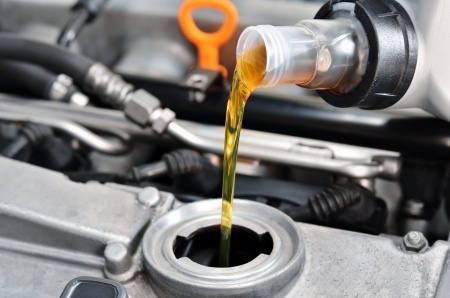
Your car engine is a complicated piece of machinery that requires motor oil to keep all moving parts lubricated. Furthermore, changing your oil regularly is essential to maintaining your car. When searching for oil change services, trust Havoline® Xpress Lube of Kernersville.
What’s Included in Oil Change Services?
Essentially, the technician performs these steps when you bring your car in for an oil change:
- Drains out old oil by unscrewing the oil plug.
Since engine oil is recyclable, the technician will place a pan underneath the oil plug to collect the old fluid.
- Change the oil filter.
Using an oil filter wrench, your mechanic will remove the old filter. Before installing the new filter, the mechanic will lubricate the gasket.
- Replace the oil plug and add new oil.
Your vehicle owner’s manual specifies the type and amount of motor oil needed.
- Properly dispose of the old oil.
Engine oil is toxic to the environment. Ultimately, used oil from one change can contaminate a year’s supply of fresh water for 50 people
- Lubrication of other areas.
Many modern cars have sealed systems that don’t require lubrication of joints in the front end. However, door hinges and hood latches still require greasing to ensure longevity and protection from de-icing chemicals.
- Other Included Services
Sometimes, auto repair shops offer other free fluid and part inspections. At Xpress Lube, we’ll perform a courtesy check on the following items:
- Engine air filter
- Brake fluid
- Power steering fluid
- Automatic transmission fluid
- Coolant/antifreeze
- Brands
Engine Oil Brands
In addition to car engines becoming more complex, so has buying engine oil. When purchasing oil, consider the brand. First, each motor oil brand begins with a base oil. To each base, the manufacturer adds a combination of additives in different concentrations to protect the engine:
- Anti-Wear
- Detergents
- Anti-foaming agents
- Dispersant
- Viscosity Improver
- Friction Modifier
Typically, mixing brands isn’t a problem as long as you follow the motor oil specifications in your vehicle owner’s manual. However, some budget brands barely meet the API minimum standards, while premium motor oils exceed them by large percentages.
What does this mean for your car? Although budget brands save you a few dollars upfront, they can cost more in fuel consumption, accelerated wear, and repairs.
Viscosity And Type
Today’s modern car engines are very different from those of a few decades ago. As environmental standards grow increasingly stringent, automakers strive to improve fuel efficiency. Of course, lubrication technology has to advance as well to meet new specifications.
For example, some vehicles require lower, thinner viscosities than previously. Also, automakers needed oil with greater thermal stability and wear protection. Thus, manufacturers learned to engineer motor oil to offer greater safeguards. Synthetic oil offers many advantages:
- Less impurities
- Longer lasting
- Greater durability against heat
- Reduced oxidation
- Cleaner engine
- Better protection
In addition to synthetic oil, manufacturers make 3 other types:
- Conventional
- Synthetic blend
- High mileage
Always check your vehicle owner’s manual for the viscosity and type to use in your car. If you aren’t sure, bring your car to Xpress Lube, and we’ll discuss the best option for your vehicle.
FAQs About Oil Change Services
Brand, type, viscosity, and frequency – these oil change questions can have your head spinning. Therefore, we’ve compiled a list of commonly asked questions to help you. If you have others, call us at 336-904-6319 to speak to one of our staff members.
How Much Should I Pay For An Oil Change?
Years ago, auto shops may have been able to give a standard price. However, modern cars have more variables that affect the cost:
- Brand – some manufacturers use more advanced additives
- Oil type – synthetic costs more to produce
- Capacity – engines require different amounts
- Filter type – some have more robust construction and superior filtration
Generally, expect to pay between $35 and $125.
Is it possible to go two years without an oil change?
While it may be possible, it isn’t advisable. Based on your oil type, manufacturers recommend these schedules:
- Synthetic – 7,500 to 20,000 miles
- Blend – 5,000 to 7,500
- Conventional – 3,000 to 5.000
However, if you drive occasionally, you should change your oil every year. Short trips are especially hard on cars because the engine never reaches optimal running temperature. Moreover, oil will degrade from oxidation even if you’re not driving it.
Finally, oil degradation is a gradual process. As it breaks down, it loses its ability to lubricate and keep the engine cool. Your engine will begin to experience premature wear, and you may not even know it.
Where Is The Best Place To Go For An Oil Change?
In most towns, you’ll find many auto shops offering oil change services. However, not all offer comprehensive, personalized, and professional auto care. At Havoline® Xpress Lube of Kernersville, our ASE-certified mechanics can maintain and repair any make or model vehicle. Customers appreciate our transparent pricing and friendly service:
Awesome….have been going here for over 15 years….incredible staff that know your very name every time. Highly recommend it!!! – Matt A.
My experience was absolutely awesome. They are the best. Friendly, courteous and fast. That is all that you can ask for. – Rick M.
I go here all the time to have my car serviced. The service is quick and convenient and everyone is friendly and helpful! A great place with excellent people! – Branda C.
Need an oil change? Book your appointment right now by calling 336-904-6319 or using our online form.