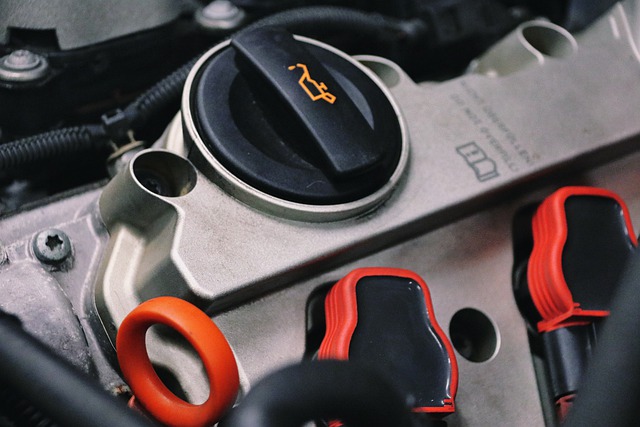
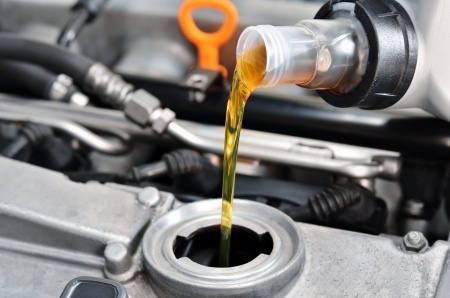
Does it matter where you get your oil changed? Ultimately, it does. First, auto shops vary in part quality. Furthermore, shops with inexperienced technicians are more likely to make mistakes such as overtightening the filter. When searching for the best oil change near me, trust Havoline® Xpress Lube of Kernersville.
Synthetic Is The Best Option For The Best Oil Change Near You
Years ago, it was fairly simple to change your car’s engine oil. First, motors had fewer components crowding the engine space, making it easier to reach the oil filter. Moreover, manufacturers only produced conventional oils with the most popular viscosities being 10W-30 and 10W-40.
Today, however, alongside conventional oil, you’ll find high-mileage, synthetic, and synthetic blends. You’ll also find lower viscosities such as 0W-20, 5W-30, and 5W-20. To determine which is best for your vehicle, review your vehicle owner’s manual.
Increasingly, many experts recommend synthetic motor oil for all cars for the following reasons:
1. Helps prevent premature engine wear
Moving parts produce friction, increasing internal temperature. As metal heats, it expands, contributing to metal-to-metal contact and wear. Generally, synthetic oil reduces friction significantly more effectively than conventional oil.
2. Lasts longer
Heat and oxidation break down conventional oil much faster than synthetic oil. Thus, you may be able to drive up to 10,000 miles before your next oil change.
3. Fewer impurities
Manufacturers use distillation to turn crude oil into motor oil. This process leaves impurities in the product that can cause deposits and sludge formation.
In comparison, synthetic oil may originate from a base of crude oil, natural gas, or other chemical compounds. From there, the manufacturer breaks down the base to its basic molecules, removing almost all the impurities.
4. Resists oxidation
Oxidation refers to the reaction in which oxygen in the air chemically reacts with other molecules. This transforms the original material, creating a new substance.
Due to the impurities and molecular structure of conventional oil, it’s highly susceptible to oxidation. In contrast, synthetic oil has fewer impurities and a stable molecular structure, making it less likely to oxidize.
5. Improved fuel efficiency
Conventional oil consists of molecules that vary in size and shape. These variations can cause internal friction as they move past one another. To compensate, your car engine must burn more fuel to produce energy lost to friction.
However, synthetic oil has a uniform molecular structure. This reduces internal friction, leading to improved fuel efficiency.
Other Crucial Car Maintenance
Although oil changes are extremely important, your car requires other critical maintenance. Often referred to as the 30-60-90 rule, this guideline breaks down the timeline for inspecting and/or replacing specific parts:
30,000 Miles
60,000 Miles
- Spark plugs
- Battery
- Coolant
- Transmission fluid
- Brake Fluid
90,000 Miles
- Hoses
- Suspension
- Timing or serpentine belt
- Water pump
- Exhaust
Additionally, your tires require routine maintenance for safety, performance, and longevity:
- Pressure and tread depth – monthly
- Rotation and balancing – 5,000 to 8,000 miles
- Alignment – 10,000 to 12,000 miles
Of course, if your car is experiencing problems, don’t wait until it’s time for maintenance. Ignoring car problems can lead to increased repair costs, safety issues, and poor fuel economy. Instead, bring your car to Xpress Lube for diagnostics to determine the issue.
Best Oil Change Near Me – FAQs
Are you still confused about the best way to care for your automobile? Below, we provide some additional information about car maintenance.
How Often And How Do I Check My Motor Oil?
Older cars have an oil dipstick to check the oil level and quality. However, many modern automakers have eliminated the dipstick and, instead, installed an oil dashboard indicator light. Whichever system your automaker uses, you can still check your oil monthly:
Using a dipstick:
- Have the car parked on level ground and the engine cool.
- Pop the hood and locate the dipstick.
- Pull it out from the engine and wipe the end with a dust-free cloth.
- Reinsert the dipstick into its tube, pushing it all the way in.
- Take the dipstick out once more and check the oil level against the stick’s markings.
- If the oil level is below the minimum level, add oil.
- Also, note the color of the oil. It should be a translucent, amber color.
Using the interface system (central infotainment screen or driver information system behind the steering wheel):
- Access the menu.
- Navigate to the “vehicle info” or “service” menu.
- Scroll to “levels” or “oil level” option.
- Select the oil level option.
What Is High Mileage Motor Oil?
As cars age, seals, gaskets, and O-rings can dry out, allowing oil to seep past them. High-mileage engine oil contains special additives that cause these components to expand, and help prevent oil leaks. Usually, automotive experts suggest using high-mileage oil in cars with 75,000 miles or more. Furthermore, high-mileage motor oil is available in conventional, synthetic, and synthetic blends.
Where Is The Best Place To Get Oil Changed In Kernersville?
For everything automobile-related, trust Havoline® Xpress Lube of Kernersville. Our ASE-certified mechanics can service and repair any domestic or foreign truck, SUV, van, or car. With over 25 years of experience in the automotive repair business, customers trust us for high-quality work. Here’s a sample of one of our highly satisfied customers:
The owner, Mac, is very thorough in inspecting any work done on your car. Even if it’s an oil change. Gary C.
For the best oil change near you, call us at 336-904-6319 or use our online form. Your car is too expensive to settle for mediocre service.